Blog
Smart, Safe, and Timely: What Homeowners Should Know About Appliance Repair Service
The Evolving Landscape of Appliance Care
Appliance repair service has become an essential part of maintaining a comfortable, efficient home. From refrigerators and ovens to washers and dryers, today’s machines are more advanced than ever, blending electronics, sensors, and traditional mechanical parts. When performance slips, fixing small issues early can prevent larger failures and protect your investment. Understanding how to spot problems, when to call a pro, and how to prepare for a visit helps keep downtime short and households running smoothly.
Signs You Need Professional Help
Appliances often telegraph trouble before a complete breakdown. Unusual noises, persistent vibrations, longer cycles, inconsistent temperatures, and visible leaks are red flags. Electrical symptoms—like frequent tripping of a breaker or a unit that won’t power on after a reset—call for prompt attention. Ignoring performance changes can strain components, leading to added wear. Timely diagnosis can often preserve key parts, reduce disruption, and help maintain energy efficiency.
Safety First in the Kitchen and Laundry Room
Home safety should guide every repair decision. Power down and unplug before any basic troubleshooting. For gas appliances, if you detect a sulfur-like odor or suspect a leak, ventilate the area and avoid open flames. Water around outlets or appliance bases requires caution; stop using the unit and allow it to dry out before any inspection. Never bypass safety switches or operate a machine with missing covers or panels. A professional will test grounding, check seals and hoses, and ensure burners, heating elements, and control boards operate within safe ranges.
Maintenance Habits That Extend Appliance Life
Practical maintenance reduces breakdowns, supports solid performance, and keeps utility bills in check. Focus on simple, repeatable habits:
1. Clean: Clear lint filters, condenser coils, door gaskets, and dishwasher filters to prevent blockages and heat buildup.
2. Level: Ensure appliances sit level to curb vibration, noise, and premature wear on bearings and mounts.
3. Vent: Keep dryer vents and range hoods clear for proper airflow and safer operation.
4. Load: Follow recommended capacities to avoid motor strain, drum damage, and poor cleaning or drying results.
5. Inspect: Look for frayed cords, cracked hoses, and worn door seals, and address minor wear before it grows.
6. Calibrate: Verify oven temperatures and refrigerator settings so the appliance doesn’t work harder than necessary.
Choosing the Right Repair Appointment
Preparation helps the visit go smoothly. Describe the issue in detail, including when it started and any patterns, such as noise during spin or cooling problems after heavy use. Have the model number ready, along with any past service notes or error codes shown on the display. Clear space around the appliance so the technician can access panels and connections safely. If the appliance is leaking, place towels or a tray to limit water spread and protect flooring. Good communication and a tidy workspace allow the technician to diagnose quickly and recommend a clear path forward.
What to Expect During a Service Visit
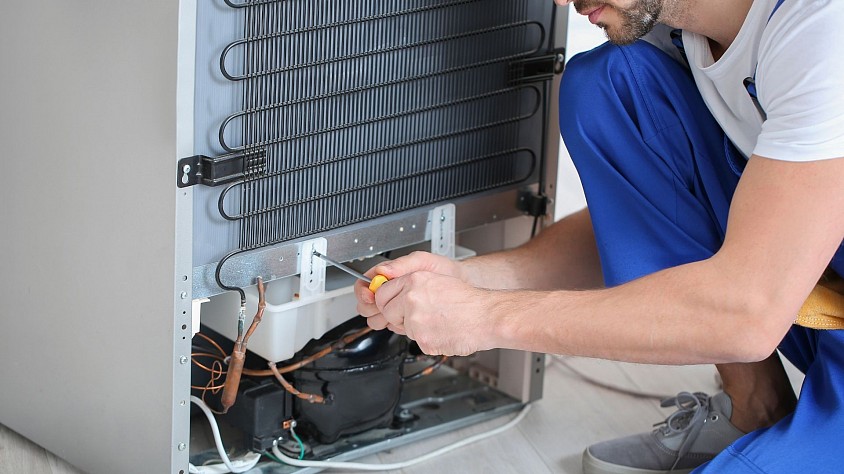
A thorough repair visit begins with a conversation about symptoms, followed by visual checks, functional tests, and safe power or gas checks. Technicians may remove panels to examine belts, pumps, fans, thermostats, or control boards. They’ll look for signs of overheating, corrosion, or loose connections. After identifying the likely cause, they explain the options: repair, part replacement, or, in certain cases, recommending that it may be more practical to consider replacing the appliance due to age or repeated failures. Before leaving, they test the appliance through a full or partial cycle, confirm stable operation, and offer care guidance tailored to the model and your usage patterns.
Proactive Care Pays Off
A steady routine of care, early attention to warning signs, and well-prepared service appointments can keep household appliances dependable and efficient. When issues arise, professional diagnosis and safe, methodical repairs restore performance and confidence, helping you make the most of every cycle, wash, bake, and chill your home depends on.
Smart Strategies Shaping Today’s Appliance Repair Service Landscape
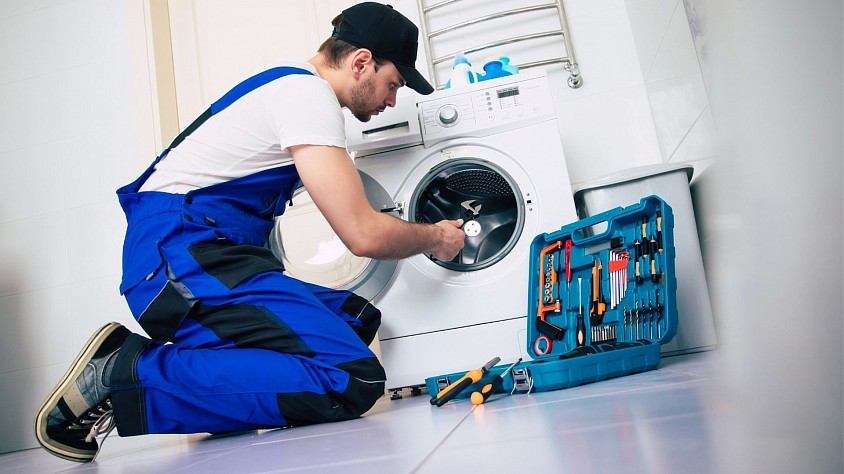
The everyday convenience of modern homes depends on reliable refrigerators, washers, dryers, ovens, and dishwashers. When one breaks down, the impact can be immediate, disrupting routines and budgets alike. The appliance repair service industry has evolved to meet these challenges with skilled diagnostics, transparent communication, and safety-focused practices that help keep households running smoothly while avoiding premature replacements.
Why Timely Repairs Matter
Small issues rarely stay small. A humming refrigerator fan, a sluggish dryer cycle, or an oven with uneven heat can escalate into larger failures if ignored. Prompt attention limits additional wear, prevents cascading damage to related parts, and often keeps repair costs lower than replacement. Equally important, swift service restores energy efficiency, ensuring appliances don’t waste electricity or water while struggling to operate.
Common Signs Your Appliance Needs Attention
Unusual noises, persistent error codes, lingering odors, or changes in performance are all cause for concern. For example, a dishwasher that leaves residue may have a clogged spray arm or failing pump, while a washer that vibrates excessively may be off balance or sitting on an uneven surface. Catching these clues early allows a technician to correct underlying causes before they compromise more components.
Essential Qualities of a Reliable Technician
Today’s appliances include sophisticated sensors, control boards, and connectivity features, making accurate troubleshooting essential. A dependable technician brings hands-on experience, access to appropriate tools, and a methodical diagnostic process. Clear explanations, safety-first procedures, and respect for the home environment are just as important as technical skill. Customers should expect honest assessments that prioritize repairability, longevity, and overall value.
Maintenance Habits That Extend Lifespan
Appliance longevity often starts with consistent upkeep. Adopting a few simple habits reduces strain on parts, protects seals and motors, and preserves performance where it matters most. Consider the following:
1. Clean refrigerator coils and door gaskets periodically to help maintain ideal temperatures and reduce compressor workload.
2. Empty the dryer lint trap after every cycle and inspect the vent path regularly to support airflow and reduce heat stress.
3. Run a dishwasher cleaning cycle and wipe the filter to prevent buildup that hampers spray pressure and water circulation.
4. Level washing machines and load them evenly to minimize vibration, which helps protect bearings, shocks, and suspension systems.
5. Use the right cookware and avoid foil on oven bottoms to protect heating elements and enhance temperature consistency.
6. Replace cracked or brittle appliance hoses and worn seals to stop small leaks from turning into major water damage.
7. Follow the manufacturer’s maintenance schedule so tasks like descaling, gasket care, or filter changes happen on time.
Eco- and Budget-Friendly Considerations
Repairing rather than replacing can reduce waste and preserve natural resources by extending the useful life of existing equipment. Efficient repairs can also reclaim lost performance, helping appliances use fewer kilowatt-hours and gallons per cycle. Even small improvements—like restoring proper airflow in a dryer or recalibrating an oven thermostat—can translate to better results and lower utility bills. When an appliance is nearing the end of its serviceable lifespan, a knowledgeable technician can help weigh repair options against long-term efficiency and performance needs, ensuring a smart decision that suits both budget and sustainability goals.
A well-executed appliance repair is more than a quick fix; it’s a strategy that safeguards the home’s daily rhythm. With careful diagnostics, skilled workmanship, and proactive maintenance, households can keep essential equipment dependable, efficient, and safe—today and for years to come.